Blog
9 UNESCO World Heritage Sites in Tunisia You Should Know About
Tunisia may be compact in size, but it's home to a wealth of history and natural beauty that spans millennia. With nine UNESCO World Heritage Sites, the country offers digital nomads, cultural travelers, and history lovers a rare opportunity to explore some of the most important archaeological and cultural landmarks in North Africa—without the crowds. Whether you’re working remotely from Hammamet or just passing through, these sites are worth adding to your itinerary.
Why Visit Tunisia’s UNESCO World Heritage Sites?
UNESCO inscribes locations on its World Heritage List because of their outstanding universal value—either for their cultural significance or natural features. Tunisia, at the crossroads of Phoenician, Roman, Arab, Berber, Ottoman, and French civilizations, offers an unusually rich tapestry of influences. For digital nomads seeking meaning, inspiration, and depth in their travels, Tunisia’s World Heritage Sites deliver more than aesthetics—they offer a powerful sense of place. Let’s explore them.
1. Amphitheatre of El Jem (1979)
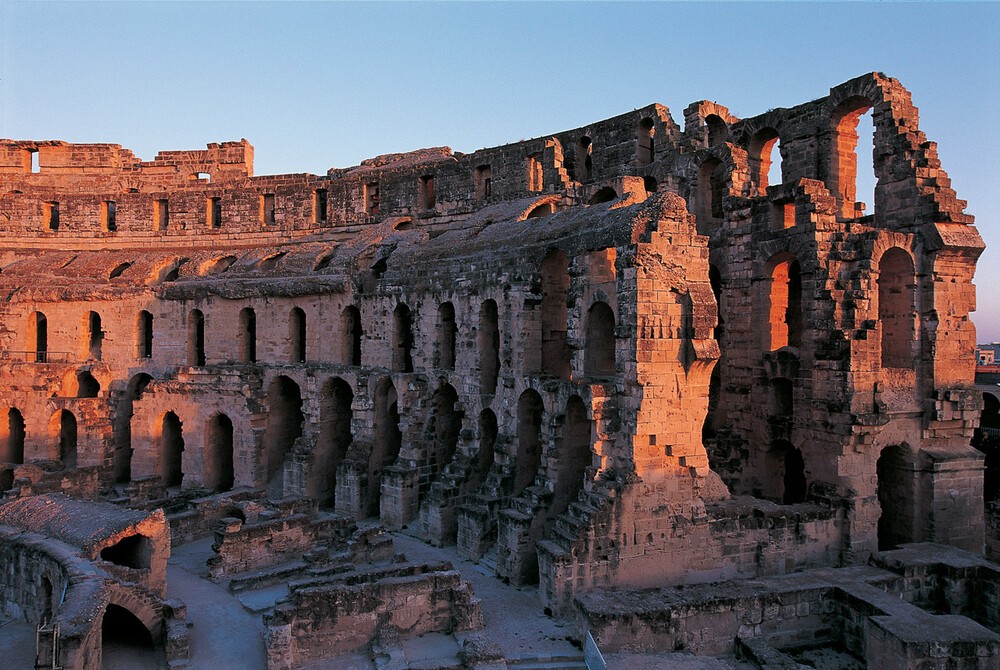
Often called the "Colosseum of Africa", El Jem is one of the largest and best-preserved Roman amphitheaters in the world.
- - Capacity: Over 35,000 spectators
- - Built: 3rd century AD
- - Use: Gladiator fights, chariot races, and public spectacles
Located in central Tunisia, this colossal structure rises from the landscape like a time capsule. You can walk through its underground tunnels and climb to the upper tiers for sweeping views—no ticket queues, no barriers. It's a rare chance to touch history.
2. Medina of Tunis (1979)

The capital’s historic core is a labyrinth of souks, mosques, palaces, and madrasas. Spanning centuries of Islamic architecture, the medina offers an authentic immersion into Tunisia’s spiritual and artistic heritage.
Highlights include:
- - Zitouna Mosque
- - Dar Hussein and Dar Ben Abdallah (traditional palaces)
- - Vibrant craft markets and tea houses
For a digital nomad, it’s the perfect place to disconnect from tech and reconnect with craft, color, and culture.
3. Site of Carthage (1979)
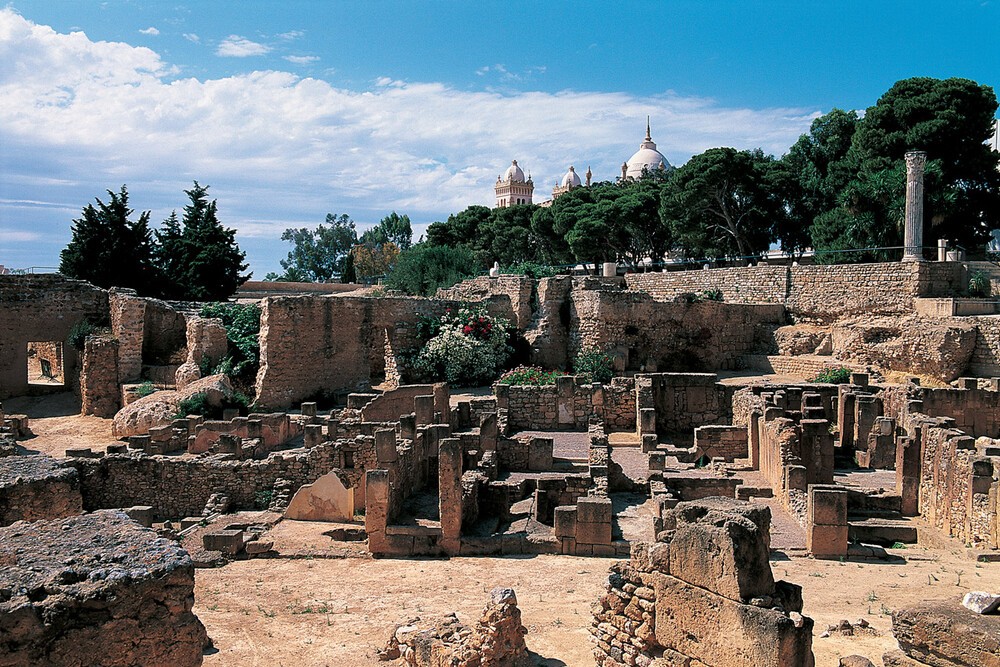
Carthage was once the capital of a vast Phoenician empire, rivaling Rome in power and ambition—until it was destroyed in the Punic Wars and rebuilt by the Romans.
Today, it offers:
- - Roman villas, cisterns, baths, and a theater
- - Punic ruins like the Tophet and ports
- - The Antonine Baths, the third largest Roman baths in the empire
A coastal site just north of Tunis, Carthage blends ancient grandeur with Mediterranean charm. It’s a favorite for expats and nomads living nearby.
4. Medina of Sousse (1988)

Often overlooked by tourists rushing to the beaches, the Medina of Sousse is a fortified city that once served as a military and commercial hub under the Aghlabid dynasty.
Key features:
- - Ribat of Sousse (fortress and lookout tower)
- - Great Mosque of Sousse
- - Traditional homes and souks
Smaller and calmer than Tunis’ medina, this one is easier to explore and more intimate—ideal for half-day cultural breaks from work.
5. Kairouan (1988)
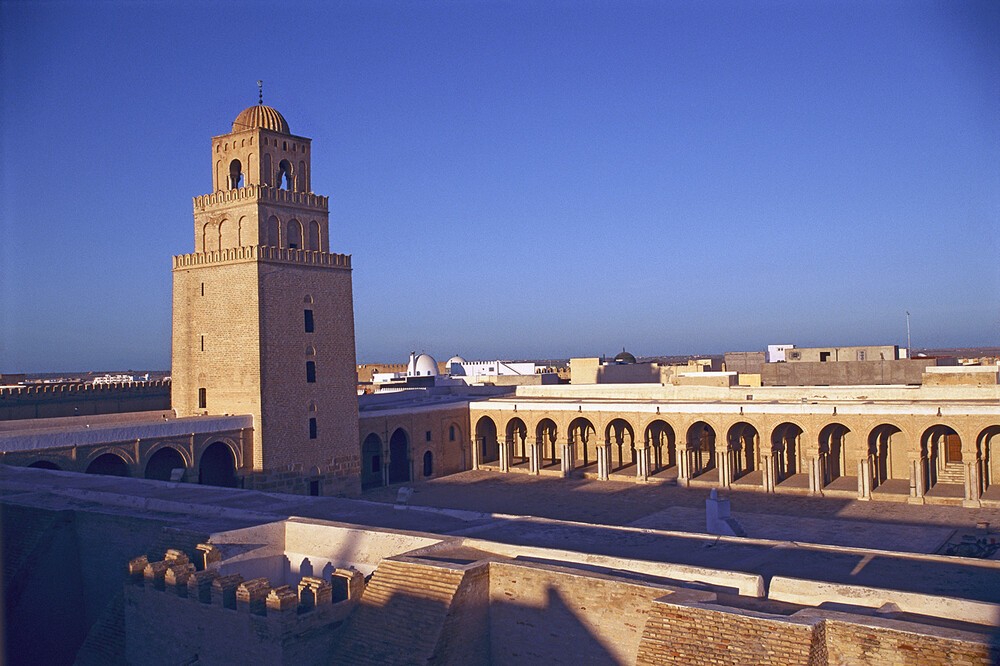
Considered the fourth holiest city in Islam, Kairouan is a spiritual and architectural gem. It served as a key center of learning and religious development in North Africa.
Don’t miss:
- - The Great Mosque of Kairouan (7th century)
- - Aghlabid water basins
- - The medina’s quiet streets and carpet workshops
Kairouan has an austere, sacred atmosphere, perfect for contemplative exploration—and a reminder of Tunisia’s role in shaping Islamic culture.
6. Dougga / Thugga (1997)
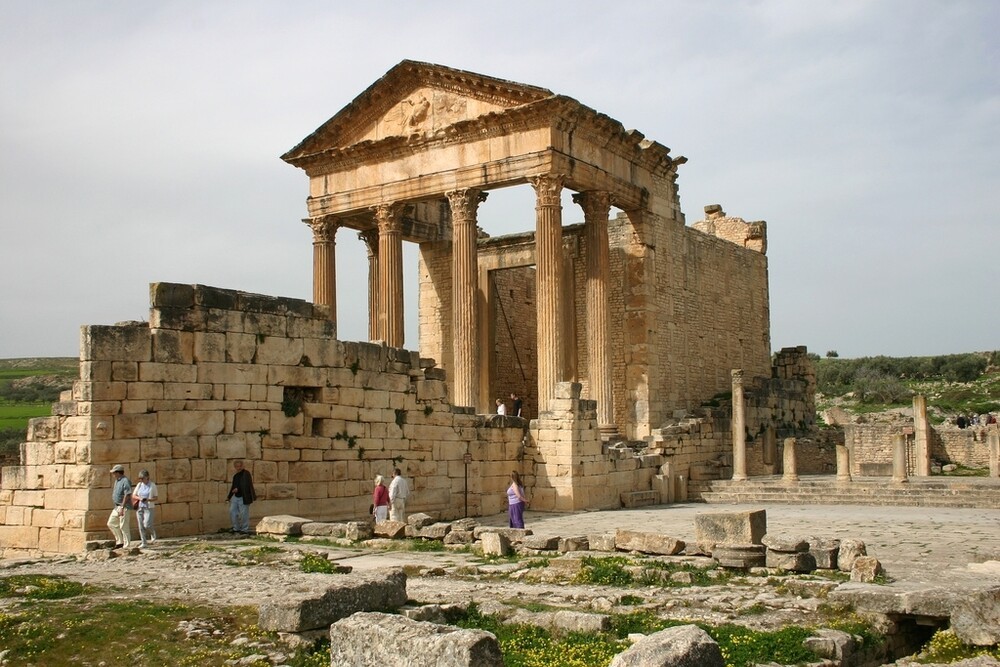
Dougga is one of the best-preserved Roman towns in North Africa, often called the “Pompeii of Tunisia.”
This hilltop archaeological site features:
- - The Capitol temple
- - A theater seating over 3,000
- - Roman baths, villas, mausoleums
Surrounded by olive groves and silence, Dougga is ideal for a remote working day trip: you can edit photos or write under a Roman column.
7. Punic City of Kerkouane and Its Necropolis (1985, 1986)
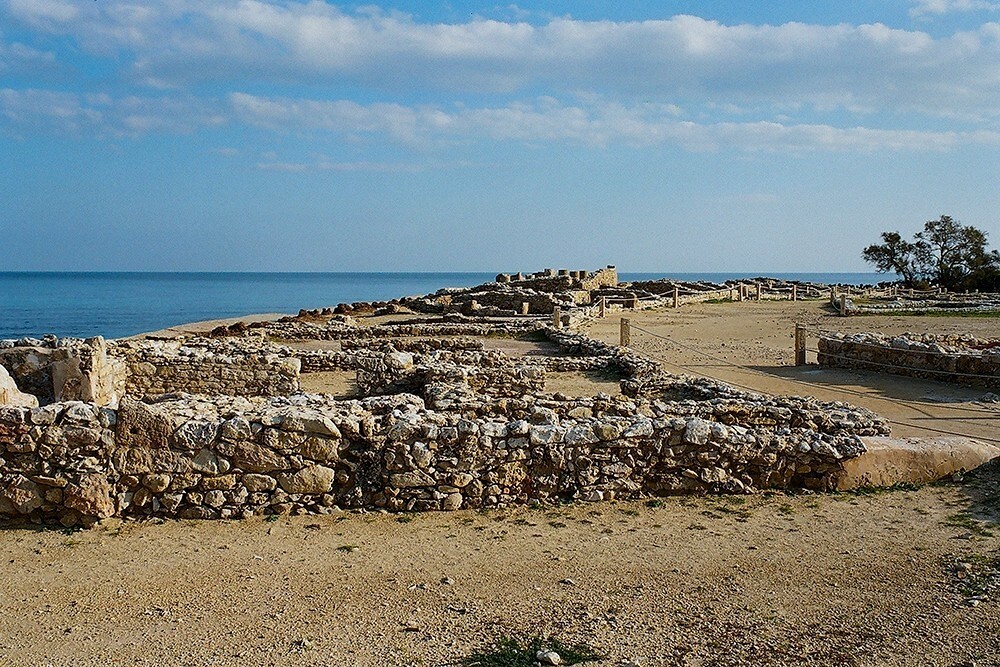
Kerkouane is unique—it’s the only surviving example of a Punic city that wasn’t rebuilt by the Romans, offering rare insights into Carthaginian urban planning and lifestyle.
Discover:
- - Well-planned street grids
- - Colored mosaics and bathhouses
- - Coastal necropolis and views over the sea
This site has an atmosphere that feels untouched and purely Punic, almost meditative in its quiet preservation.
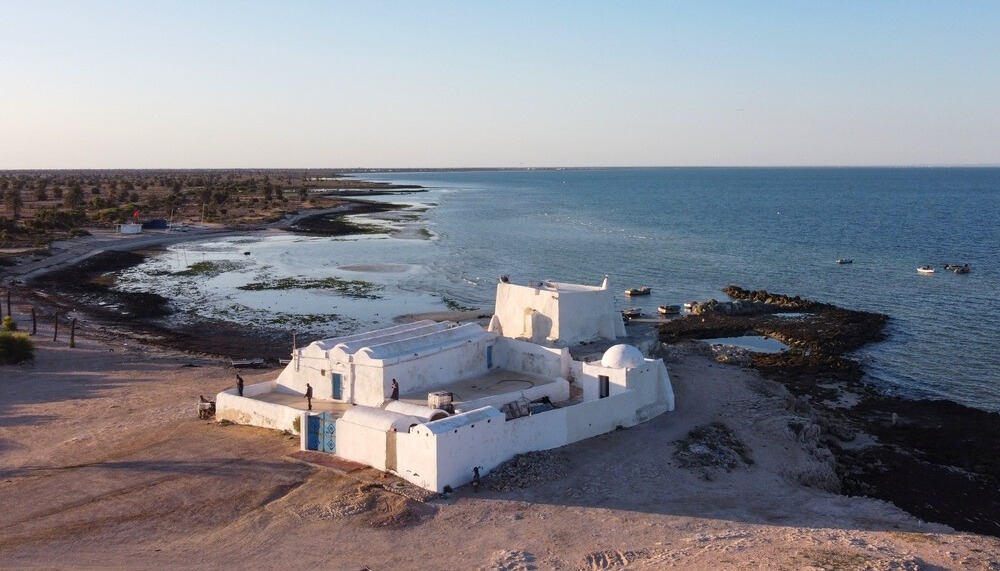
8. Djerba: Testimony to a Unique Island Settlement (2023)
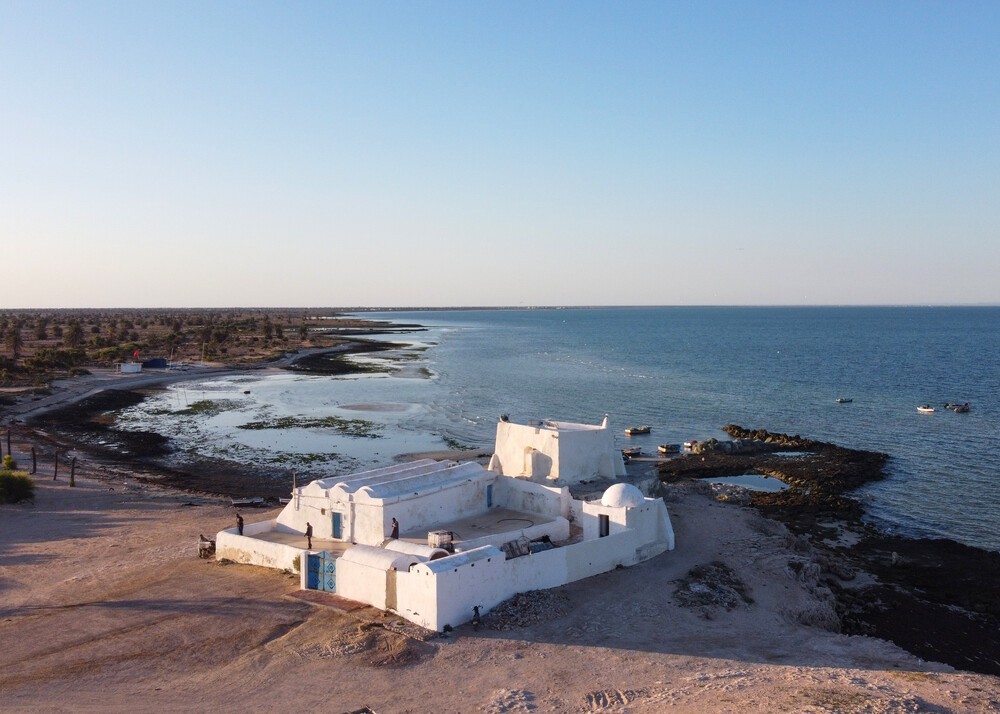
Tunisia’s newest UNESCO entry, Djerba was recognized for its harmonious human settlement, reflecting a distinct blend of Berber, Jewish, and Muslim traditions in architecture and urban planning.
On the island, you’ll find:
- - Traditional menzel houses built around cisterns
- - Synagogues (including El Ghriba, one of the oldest in Africa)
- - Mosques with underground prayer halls
A unique spatial layout driven by environmental adaptation. Djerba is a haven for slow travelers and creative professionals—warm light, cultural coexistence, and calm vibes everywhere.
9. Ichkeul National Park (1980)
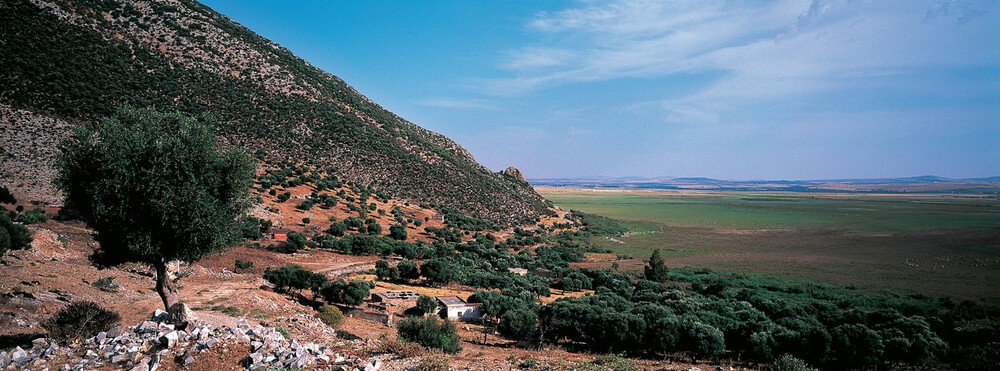
Tunisia’s only natural UNESCO World Heritage Site, Ichkeul Lake and its surrounding wetlands are crucial for migratory birds across Europe and Africa.
Key species include:
- - Flamingos
- - Ducks
- - Storks
The park is also home to buffalo, reeds, and rare flora. It's a top destination for eco-tourism and nature photography, about 90 minutes from Tunis. For digital nomads, Ichkeul offers a refreshing reset from screen time—unplug, hike, breathe.
Final Thoughts: Where Ancient Meets Remote Work
Exploring Tunisia’s UNESCO sites as a digital nomad isn't just about sightseeing. It's about:
- - Pausing the hustle and stepping into timeless spaces
- - Drawing inspiration from centuries of architecture, art, and adaptation
- - Connecting with people whose traditions carry echoes of the past
Whether you’re here for a month or a year, these 9 sites are your window into a civilization mosaic that’s rare, rich, and radically grounding.
📍 List of Sites
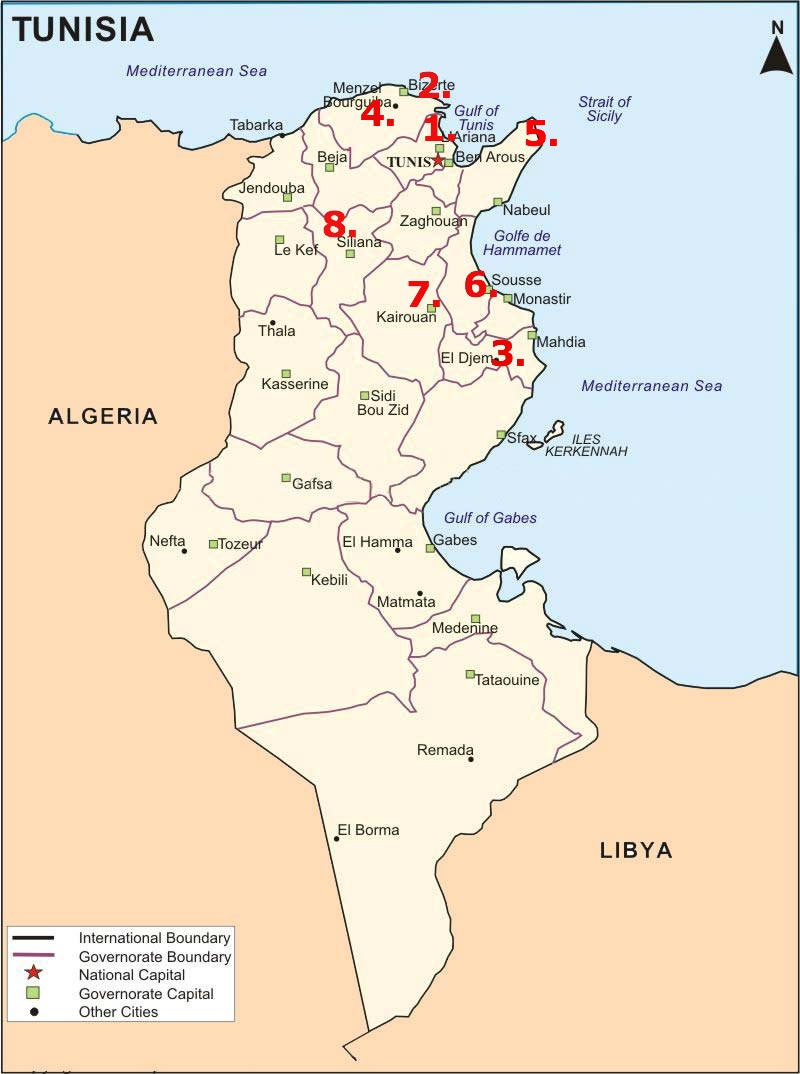
- Amphitheatre of El Jem – Mahdia Governorate
- Medina of Tunis – Tunis Governorate
- Archaeological Site of Carthage – Tunis Governorate
- Ichkeul National Park – Bizerte Governorate
- Punic Town of Kerkouane and its Necropolis – Nabeul Governorate
- Medina of Sousse – Sousse Governorate
- Kairouan – Kairouan Governorate
- Dougga / Thugga – Béja Governorate
- Djerba: Testimony to a settlement pattern in an island territory – Medenine Governorate
For an interactive exploration of these sites, you can visit the UNESCO World Heritage Centre's interactive map. If you need further details or assistance with planning visits to these sites, feel free to ask!